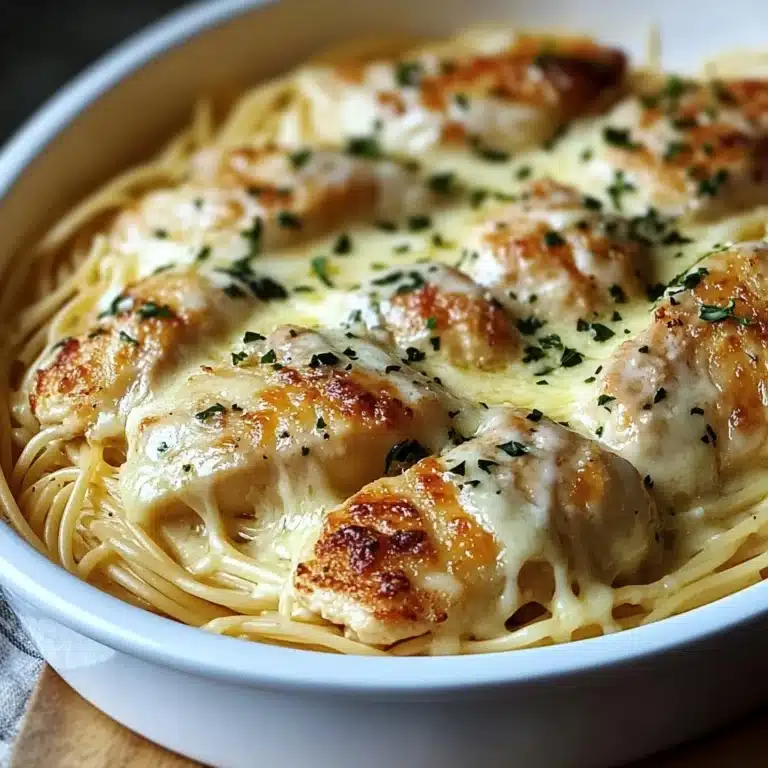
If you are looking for a fresh and creamy sauce that brings a delightful twist to your pasta nights, this Cottage Cheese Pasta Sauce Recipe is exactly the game-changer you need. It’s rich, velvety, and surprisingly simple to prepare with wholesome ingredients that elevate ordinary pasta into a luscious, satisfying meal. The combination of cottage cheese with Parmesan and garlic creates a harmony of flavors that’s light yet indulgently creamy, making it a perfect sauce for any pasta shape you love. Trust me, once you try this sauce, it might just become your new go-to for cozy dinners and heartfelt gatherings.
Ingredients You’ll Need

Keeping this sauce simple is part of its charm. Each ingredient is carefully chosen to contribute to the rich, creamy texture and bursting flavor that defines the Cottage Cheese Pasta Sauce Recipe. From the smoothness of cottage cheese to the sharpness of Parmesan, these essentials come together beautifully.
- Olive Oil or Butter: Adds a subtle richness and serves as the perfect base to saute garlic for that fragrant lift.
- Cottage Cheese (1 ½ cups): The star ingredient providing creaminess and a slightly tangy flavor, creating the sauce’s unique body.
- Skim Milk or Half-and-Half (¾ cup): Thins the sauce to the right consistency while keeping it creamy without being heavy.
- Parmesan Cheese, grated (½ cup): Brings a nutty, salty depth that enhances the sauce’s overall flavor profile.
- Garlic Cloves (6): Offers an aromatic punch that adds warmth and complexity.
- Black Pepper and Salt (pinches): Essential seasonings that balance and highlight all the elements.
- Cornstarch (2 tablespoons): A thickening agent that transforms the sauce to a perfect clingy consistency.
- Water (4 tablespoons): Used to dissolve the cornstarch, ensuring a smooth blend without lumps.
- Cooked Pasta (8 ounces): Your favorite shape like spaghetti, fettuccine, or penne that will soak up all that creamy goodness.
How to Make Cottage Cheese Pasta Sauce Recipe
Step 1: Cook the Pasta
Start by cooking your pasta of choice according to the package instructions until it is al dente. This slight firmness will help your pasta hold up nicely under the rich cottage cheese sauce without getting mushy. Once cooked, drain and set the pasta aside while you prepare the sauce.
Step 2: Blend the Base Ingredients
In a high-speed blender or food processor, combine the cottage cheese, skim milk, and grated Parmesan cheese. Blend them on high until you achieve a creamy, thick, and completely smooth mixture. This step ensures the sauce has that luxurious, velvety texture that will coat your pasta beautifully.
Step 3: Sauté the Garlic
Heat olive oil or butter in a medium saucepan over medium heat. Add the garlic cloves and sauté for about 30 seconds to one minute until they are fragrant but not browned. This quick sauté awakens the garlic’s natural aroma, laying the flavorful foundation for the sauce.
Step 4: Simmer the Sauce
Pour the blended cottage cheese mixture into the saucepan. Bring it to a gentle simmer over medium heat. You may notice the sauce thins out considerably, looking almost watery at first – that’s completely normal and part of the process. Lower the heat to keep it warm without boiling.
Step 5: Thicken the Sauce
In a small bowl, whisk the cornstarch with cold water until smooth. Then slowly whisk this mixture into the warm sauce. Cook the sauce on low heat while stirring constantly until it thickens to a luscious, creamy consistency that clings to your pasta.
Step 6: Combine Pasta and Sauce
Add your cooked pasta directly into the saucepan with the thickened sauce. Stir thoroughly and cook together for an additional few minutes, allowing the pasta to absorb the flavors and the sauce to coat every strand or piece perfectly.
How to Serve Cottage Cheese Pasta Sauce Recipe

Garnishes
The magic of this sauce can be elevated with simple garnishes. Freshly chopped parsley adds a pop of green and a fresh herbaceous note that balances the creaminess. For an extra burst of flavor, a sprinkle of additional grated Parmesan right before serving works wonders.
Side Dishes
This sauce pairs wonderfully with light and fresh sides. A crisp garden salad tossed with a tangy vinaigrette, or roasted seasonal vegetables bring vibrancy and texture contrast to the meal. Garlic bread or a warm crusty baguette can also be perfect for sopping up any leftover sauce.
Creative Ways to Present
If you want to impress your guests, try layering the pasta with this sauce in individual ramekins or bake it topped with breadcrumbs for a golden crust. You can also mix in sautéed mushrooms, fresh spinach, or sun-dried tomatoes into the sauce before combining with pasta to customize the flavor and add more color.
Make Ahead and Storage
Storing Leftovers
Store any leftover Cottage Cheese Pasta Sauce Recipe in an airtight container in the refrigerator for up to three days. Keep in mind the sauce thickens when chilled, so you may need to loosen it when reheating.
Freezing
This sauce freezes well for up to one month. Transfer it to a freezer-safe container and thaw it overnight in the fridge before reheating. Avoid freezing pasta with the sauce; freeze only the sauce separately for best quality.
Reheating
When ready to enjoy your leftovers, gently warm the sauce in a saucepan over low heat. Stir in a splash of water or milk to loosen the sauce and restore its creamy consistency. Avoid overheating to prevent the sauce from breaking or becoming grainy.
FAQs
Can I use low-fat cottage cheese for this recipe?
Absolutely, low-fat cottage cheese works perfectly and keeps the sauce lighter while retaining that creamy texture you love in this Cottage Cheese Pasta Sauce Recipe.
Is it possible to make this sauce vegan?
To make a vegan version, substitute the dairy with plant-based alternatives like almond or soy milk and use nutritional yeast or vegan Parmesan cheese. However, the texture might vary slightly from the original.
What types of pasta work best with this sauce?
This sauce pairs well with pasta shapes that can hold sauce well, such as spaghetti, fettuccine, penne, or even farfalle. Choose your favorite shape to enjoy this versatile Cottage Cheese Pasta Sauce Recipe.
Can I add herbs or spices to enhance the flavor?
Definitely! Fresh basil, oregano, or a pinch of red pepper flakes are great additions if you want to customize and deepen the flavor profile without overpowering the creamy base.
How thick should the sauce be before adding the pasta?
The sauce should be thick enough to coat the back of a spoon but still pourable—think rich and creamy, not runny. The cornstarch thickens it nicely, ensuring perfect adhesion to your pasta.
Final Thoughts
This Cottage Cheese Pasta Sauce Recipe is a delightful, simple way to bring creamy comfort to your pasta dishes without relying on heavy creams. It’s nutritious, flavorful, and adaptable, making every bite feel like a warm hug. I truly hope you give this recipe a whirl and watch it become a trusted favorite in your kitchen just as it has in mine.
Print
Cottage Cheese Pasta Sauce Recipe
- Prep Time: 10 minutes
- Cook Time: 15 minutes
- Total Time: 25 minutes
- Yield: 4 servings
- Category: Main Course
- Method: Stovetop
- Cuisine: Italian
- Diet: Low Fat
Description
This creamy cottage cheese pasta sauce is a nutritious and delicious alternative to traditional cream-based sauces. Made with cottage cheese, skim milk, Parmesan, and garlic, it offers a smooth, rich texture and a delightful flavor that pairs perfectly with spaghetti, fettuccine, or penne. The sauce is thickened naturally with cornstarch, making it a lighter yet satisfying option for pasta lovers seeking a healthier twist.
Ingredients
Sauce Ingredients
- 2 teaspoons Olive Oil or butter
- 1 ½ cups Cottage Cheese
- ¾ cup Skim Milk or half-and-half (or unsweetened almond milk or soy milk as alternatives)
- ½ cup Parmesan Cheese, grated
- 6 Garlic Cloves
- 1 pinch Black Pepper, to taste
- 1 pinch Salt, to taste
- 2 tablespoons Cornstarch (or ½ teaspoon guar gum as an alternative)
- 4 tablespoons Water
Additional Ingredients
- 8 ounces Cooked Pasta (spaghetti, fettuccine, or penne)
- Freshly chopped Parsley for garnish
Instructions
- Cook the Pasta: Prepare the pasta following the package instructions until al dente. Drain it well and set aside to keep warm.
- Blend the Sauce Base: In a high-speed blender or food processor, combine the cottage cheese, skim milk (or milk alternative), and grated Parmesan cheese. Blend on high speed until the mixture is creamy, thick, and smooth. Set this blended mixture aside.
- Sauté Garlic: Heat olive oil or butter in a medium saucepan over medium heat. Add the garlic cloves and sauté them until they become fragrant, about 30 seconds to 1 minute. Be careful not to burn the garlic to maintain its delicate flavor.
- Simmer Sauce: Pour the blended cottage cheese mixture into the saucepan with the garlic. Increase heat gently and bring the sauce to a gentle simmer. The sauce may initially thin out and look watery, which is normal. Once simmering, reduce the heat to low.
- Thicken the Sauce: In a small bowl, whisk cornstarch with cold water until smooth. Gradually whisk this cornstarch slurry into the warm sauce. Continue cooking, stirring constantly until the sauce thickens to a creamy consistency. If using guar gum instead, sprinkle it directly over the sauce and whisk until thickened.
- Combine with Pasta: Stir the cooked pasta into the thickened sauce. Heat for a few additional minutes on low, ensuring the pasta is evenly coated and warmed through.
- Serve: Dish out the pasta and garnish with freshly chopped parsley. Enjoy immediately for the best flavor and texture.
Notes
- Note 1: You can substitute skim milk with unsweetened almond milk or soy milk for a dairy-free option.
- Note 2: As an alternative to cornstarch, ½ teaspoon of guar gum can be used to thicken the sauce. Guar gum does not need to be whisked into cold water; simply sprinkle over the sauce and whisk until thick.
- Storage: Store leftover sauce in an airtight container in the refrigerator for up to 3 days. The sauce will thicken when chilled; reheat gently with a splash of water to loosen it.
- Freezing: The sauce can be frozen for up to one month; thaw overnight in the refrigerator before reheating.