If you have a craving for authentic Chinese takeout that you can whip up in your own kitchen, you are in for a treat with this Chicken Lo Mein (Restaurant Style) Recipe. This dish perfectly balances juicy chicken, crisp vegetables, and thick, chewy noodles all coated in a fragrant, savory brown sauce. Every bite is bursting with flavor and texture, making it a favorite for weeknight dinners or anytime you want to impress with a classic restaurant-style meal at home.
Ingredients You’ll Need
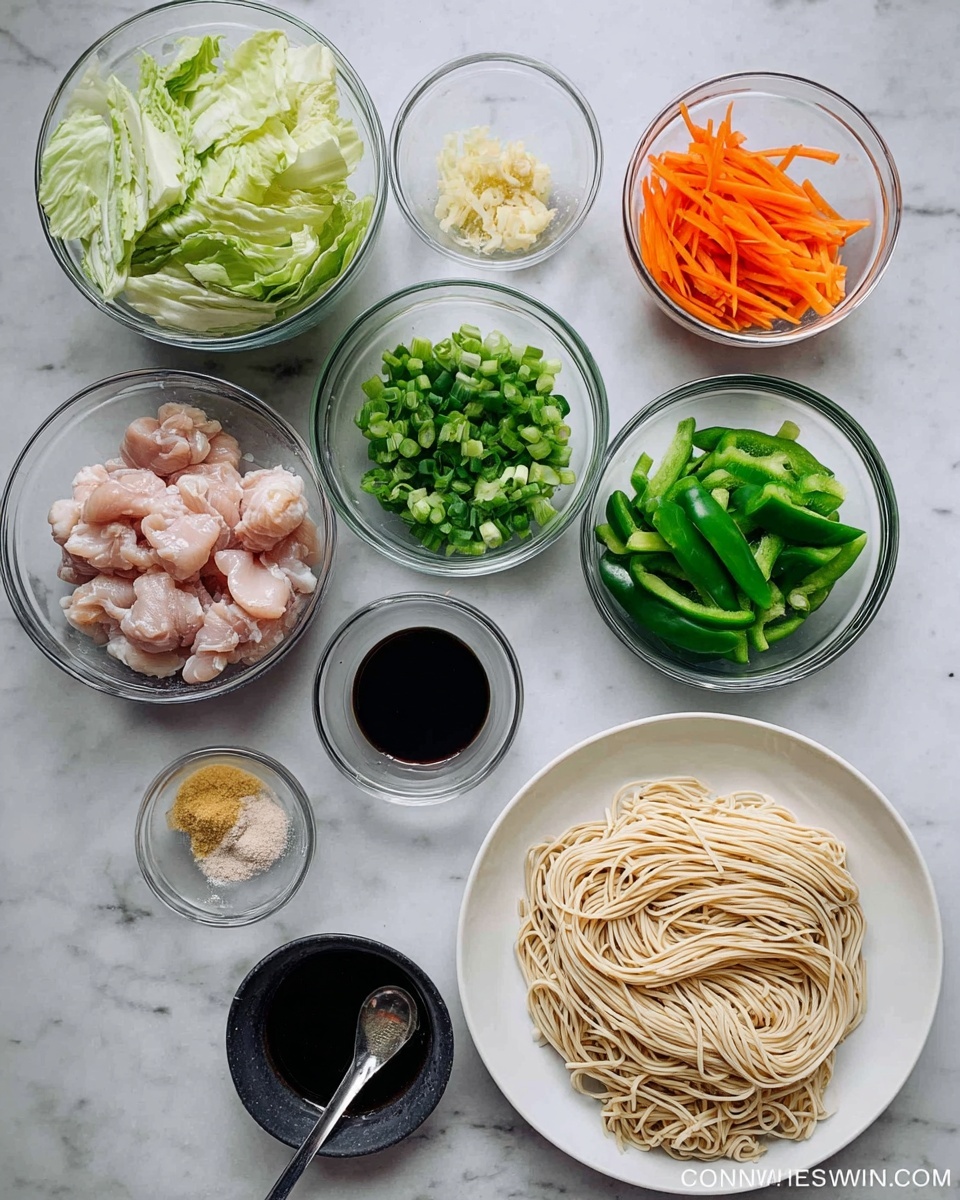
The magic behind this Chicken Lo Mein (Restaurant Style) Recipe lies in its simple, fresh ingredients and well-balanced sauce. Each one is carefully chosen to bring out the best in taste, texture, and color, ensuring that every forkful is a delight.
- 10 oz fresh lo mein noodles: The perfect chewy base; if using dried, prep according to package instructions.
- 8 oz boneless skinless chicken thigh: Juicy and tender, chicken thighs stay moist during cooking.
- 1/2 tablespoon Shaoxing wine: Adds depth and subtle complexity to the chicken marinade.
- 1 teaspoon cornstarch: Helps create a velvety texture when coating the chicken.
- 1/4 teaspoon salt: Enhances all the flavors in the dish.
- 1/4 cup chicken broth: Provides a rich, savory foundation for the sauce.
- 2 tablespoons oyster sauce: Delivers umami and a slight sweetness to the sauce.
- 2 tablespoons Shaoxing wine (or dry sherry): Boosts the sauce’s aroma and complexity.
- 2 teaspoons dark soy sauce: Adds beautiful color and a caramel-like sweetness.
- 1 teaspoon sesame oil: Infuses the dish with a nutty, irresistible fragrance.
- 2 teaspoons sugar: Balances the savory elements with a hint of sweetness.
- 2 tablespoons peanut oil: Ideal for stir-frying with a high smoke point and subtle flavor.
- 1 tablespoon minced ginger: Brings a fresh, zingy heat that awakens the palate.
- 2 cloves garlic, minced: A classic flavor base that adds warmth and depth.
- 4 cups chopped napa cabbage: Adds crunch and a mild, sweet freshness.
- 1 carrot, julienned: Introduces vibrant color and a subtle sweetness.
- 4 green onions, cut into 2” pieces: Provides both aromatic white parts and vibrant green tops.
- 1 bell pepper, thinly sliced: Adds a crisp texture and bright pop of color.
How to Make Chicken Lo Mein (Restaurant Style) Recipe
Step 1: Prepare the Noodles
If you’re using dried lo mein noodles, boil them according to package instructions but reduce the cooking time by one minute so they stay al dente. Fresh noodles only need about one minute to cook. Once cooked, rinse under cold tap water, drain, and set aside. This quick rinse stops the cooking process and keeps the noodles from sticking together later on.
Step 2: Marinate the Chicken
Combine the chicken thigh slices with Shaoxing wine, cornstarch, and salt in a bowl. This simple marinade helps tenderize the meat while adding a subtle layer of flavor that is essential to authentic taste. Let it rest for about 10 minutes — patience here means juicy, flavorful bites later!
Step 3: Mix the Sauce
Whisk together chicken broth, oyster sauce, Shaoxing wine, dark soy sauce, sesame oil, and sugar in a separate bowl until everything is well combined. This sauce is the heart of the dish, offering a perfect balance of savory, sweet, and aromatic notes that bring the entire recipe to life.
Step 4: Cook the Chicken
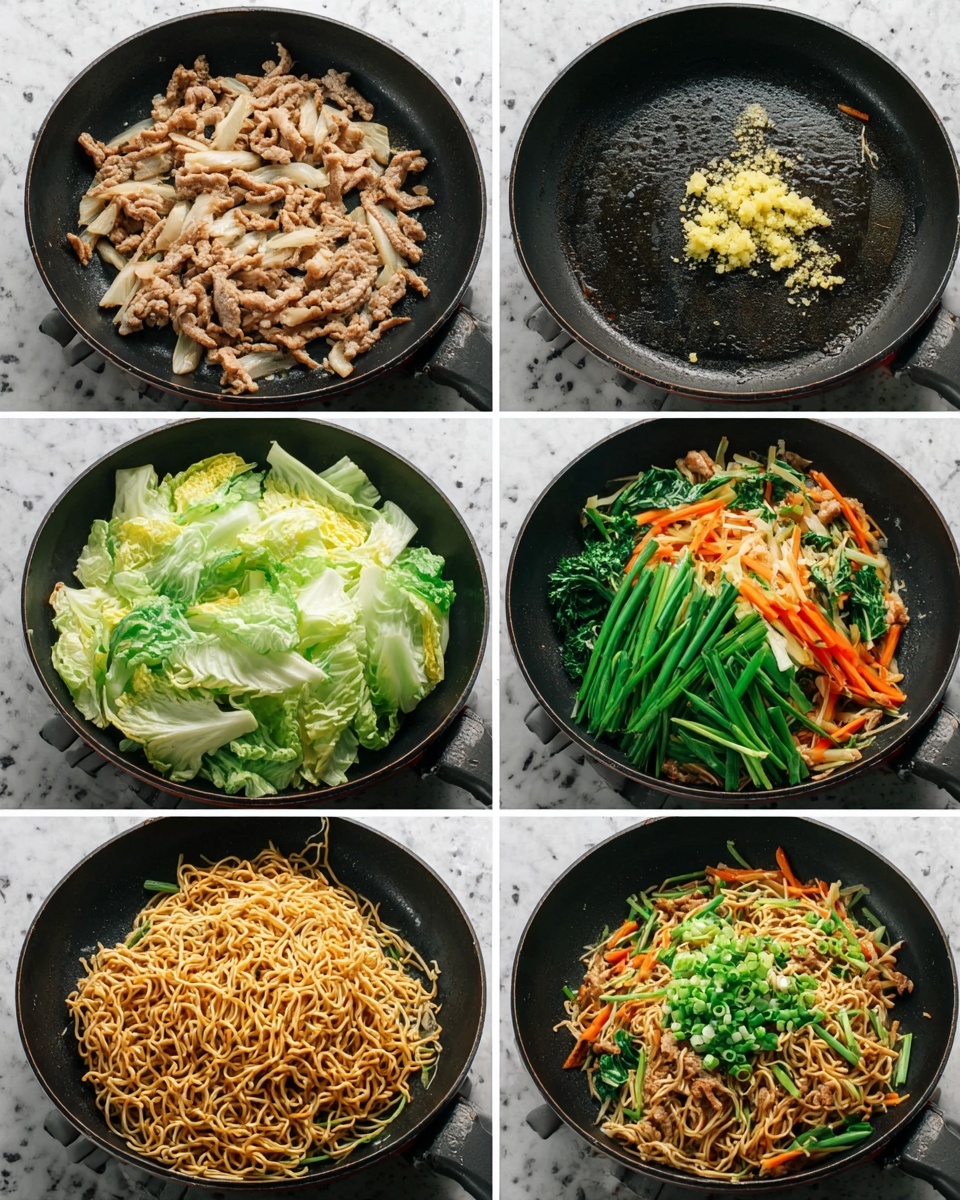
Heat 1 tablespoon of peanut oil over medium-high heat in a large nonstick skillet. Add the marinated chicken in a single layer and let it cook undisturbed for 30 to 45 seconds until the bottom is slightly golden. Flip and cook the other side for another 30 to 45 seconds, stirring occasionally, just until done. Transfer the chicken to a plate and set aside. This quick sear locks in moisture while giving the chicken a lovely color.
Step 5: Stir-Fry the Vegetables and Aromatics
Add the remaining tablespoon of oil, minced ginger, garlic, and the white parts of the green onions to the hot skillet. Toss in the carrot and napa cabbage, stir-frying for about one minute until the veggies begin to soften but still hold their crunch. This step adds layers of freshness and texture that make this Chicken Lo Mein (Restaurant Style) Recipe so vibrant.
Step 6: Combine Noodles and Sauce
Toss the cooked noodles into the skillet along with the prepared sauce. Mix quickly and thoroughly to ensure every strand of noodle is coated. Then add the bell pepper slices and green onion greens, stirring everything together for 1 to 2 minutes until the sauce is fully absorbed and the vegetables are just tender but still crisp.
Step 7: Finish with the Chicken
Return the cooked chicken to the pan and give it one last toss to blend all the flavors and ingredients evenly. Remove from heat and transfer to serving plates for an inviting, colorful presentation that tastes just like your favorite Chinese restaurant classic.
How to Serve Chicken Lo Mein (Restaurant Style) Recipe
Garnishes
Sprinkle some toasted sesame seeds or freshly chopped cilantro on top to add a subtle nutty flavor and fresh herbal notes that brighten the dish beautifully. A few extra thinly sliced green onions also add a nice visual appeal and a burst of mild onion flavor.
Side Dishes
This Lo Mein pairs wonderfully with simple sides like steamed dumplings, hot and sour soup, or egg drop soup. If you want to keep it light, a crisp cucumber salad dressed with sesame oil and rice vinegar offers a refreshing contrast to the savory noodles.
Creative Ways to Present
Serve the Chicken Lo Mein in bamboo steamers or rustic bowls for a fun, authentic touch. You can also pile it high in individual metal takeaway containers to mimic your favorite restaurant’s charm. For a family-style dinner, a large platter in the center invites everyone to dig in and share the love of this satisfying classic.
Make Ahead and Storage
Storing Leftovers
Let your Chicken Lo Mein cool completely before storing it in an airtight container in the refrigerator. It will keep well for up to 3 days and makes for an easy, delicious lunch or dinner the next day without losing much of its texture or flavor.
Freezing
While freezing is possible, it’s best to freeze the components separately to maintain the best texture—especially the noodles and vegetables. Store the cooked chicken and sauce in one container and the noodles in another. When thawed, combine and reheat gently.
Reheating
To reheat, warm the lo mein gently in a skillet over medium heat with a splash of water or chicken broth. Stir frequently until heated through to preserve the noodles’ chewy texture and the brightness of the vegetables. Avoid microwaving for too long to keep everything from getting soggy.
FAQs
Can I substitute chicken breast for thighs in this Chicken Lo Mein (Restaurant Style) Recipe?
Absolutely! While thighs give a more tender and juicy result due to their fat content, chicken breast works fine if you prefer a leaner option. Just be careful not to overcook it to keep it from drying out.
What can I use if I can’t find Shaoxing wine?
Dry sherry or a mild dry white wine are great substitutes that provide a similar depth of flavor. If avoiding alcohol, you can use extra chicken broth plus a dash of rice vinegar for acidity.
Can I make this Chicken Lo Mein gluten-free?
Yes, by using gluten-free noodles and substituting tamari for soy sauce and oyster sauce with a gluten-free version, you can enjoy this dish safely. Be sure to check all labels for hidden gluten ingredients.
How can I make the vegetables more tender?
If you prefer softer vegetables, simply cook them a bit longer before adding the noodles and sauce, or add the bell peppers earlier in the stir-frying step to give them more time to soften.
Is it okay to use dried noodles instead of fresh?
Definitely! Many people prefer dried noodles for convenience. Just adjust the cooking time to avoid overcooking and rinse them well to prevent sticking. Either way, you’ll still get great results with this Chicken Lo Mein (Restaurant Style) Recipe.
Final Thoughts
This Chicken Lo Mein (Restaurant Style) Recipe is a wonderful way to enjoy the flavors of your favorite Chinese takeout from the comfort of your own kitchen. With its simple ingredients and approachable method, it promises to be a crowd-pleaser any night of the week. So go ahead, give it a try, and enjoy a taste of restaurant magic at home!
Print
Chicken Lo Mein (Restaurant Style) Recipe
- Prep Time: 15 minutes
- Cook Time: 10 minutes
- Total Time: 25 minutes
- Yield: 2 servings
- Category: Main Dish
- Method: Stovetop
- Cuisine: Chinese
Description
This Chicken Lo Mein recipe delivers juicy chicken, crisp bell peppers, tender napa cabbage, and thick, chewy noodles all tossed in a fragrant, savory brown sauce. Perfect for replicating your favorite Chinese takeout dish at home without using a wok, this stir-fry combines fresh ingredients and balanced flavors for a satisfying and authentic meal.
Ingredients
Noodles
- 10 oz fresh lo mein noodles (or 6 oz / 170 g dried lo mein noodles)
Marinade
- 8 oz boneless skinless chicken thigh, cut into 1/4-inch (5-mm) slices (or breast)
- 1/2 tablespoon Shaoxing wine
- 1 teaspoon cornstarch
- 1/4 teaspoon salt
Sauce
- 1/4 cup chicken broth
- 2 tablespoons oyster sauce
- 2 tablespoons Shaoxing wine (or dry sherry)
- 2 teaspoons dark soy sauce (or soy sauce)
- 1 teaspoon sesame oil
- 2 teaspoons sugar
Stir Fry
- 2 tablespoons peanut oil (or vegetable oil)
- 1 tablespoon minced ginger
- 2 cloves garlic, minced
- 4 cups chopped napa cabbage
- 1 carrot, julienned (about 1 cup)
- 4 green onions, cut into 2” (5 cm) long pieces, white and green parts separated
- 1 bell pepper, cut into thin strips (or sweet pepper)
Instructions
- Cook Noodles: If using dried noodles, boil according to package instructions minus 1 minute until al dente. If using fresh noodles, boil for 1 minute until al dente. Rinse under tap water, drain well, and set aside.
- Marinate Chicken: In a medium bowl, combine the sliced chicken with Shaoxing wine, cornstarch, and salt. Mix well and marinate for 10 minutes to tenderize and flavor the meat.
- Prepare Sauce: Whisk together chicken broth, oyster sauce, Shaoxing wine, dark soy sauce, sesame oil, and sugar in a medium bowl to create a rich, savory sauce.
- Cook Chicken: Heat 1 tablespoon oil in a large nonstick skillet over medium-high heat until hot. Spread the chicken evenly and cook for 30 to 45 seconds without stirring, allowing it to brown slightly. Flip and cook the other side for another 30 to 45 seconds, stirring occasionally, until just cooked through. Transfer chicken to a plate.
- Cook Vegetables: In the same skillet, add the remaining 1 tablespoon oil, minced ginger, garlic, and the white parts of the green onions. Stir fry briefly until fragrant. Add the carrot and napa cabbage and cook for about 1 minute, stirring until they start to soften.
- Add Noodles and Sauce: Add the cooked noodles into the skillet, pour the prepared sauce on top, and toss everything to combine well.
- Finish with Peppers and Green Onions: Add the bell pepper strips and green parts of the green onions, tossing together until the sauce is absorbed and the peppers remain crisp, about 1 to 2 minutes.
- Combine Chicken and Serve: Return the cooked chicken to the pan and toss everything again to mix well. Serve hot immediately as a main dish.
Notes
- Dark soy sauce has a caramel taste and thicker texture than regular soy sauce, giving the dish sweetness and an appealing brown color. You can substitute with regular soy sauce, but dark soy sauce is recommended for authenticity.
- When cutting napa cabbage, slice the white parts into small bite-size pieces or thin strips if thick, and chop the leafy greens into larger pieces. This helps the whites and greens cook evenly and maintain texture.
- For extra crisp bell peppers, add them near the end of cooking. If you prefer softer peppers, add them after the napa cabbage and carrots and stir-fry an additional 30 seconds before adding the noodles.