
If you have ever craved the savory, comforting flavors of takeout at home, then you absolutely must try this Panda Express Chow Mein Recipe. It captures that perfect balance of tender noodles, crisp vegetables, and a luscious, slightly sweet soy-based sauce that just feels like a warm hug on a plate. This dish is straightforward to make but incredibly satisfying, blending familiar ingredients to create something truly special that you’ll want to make again and again.
Ingredients You’ll Need
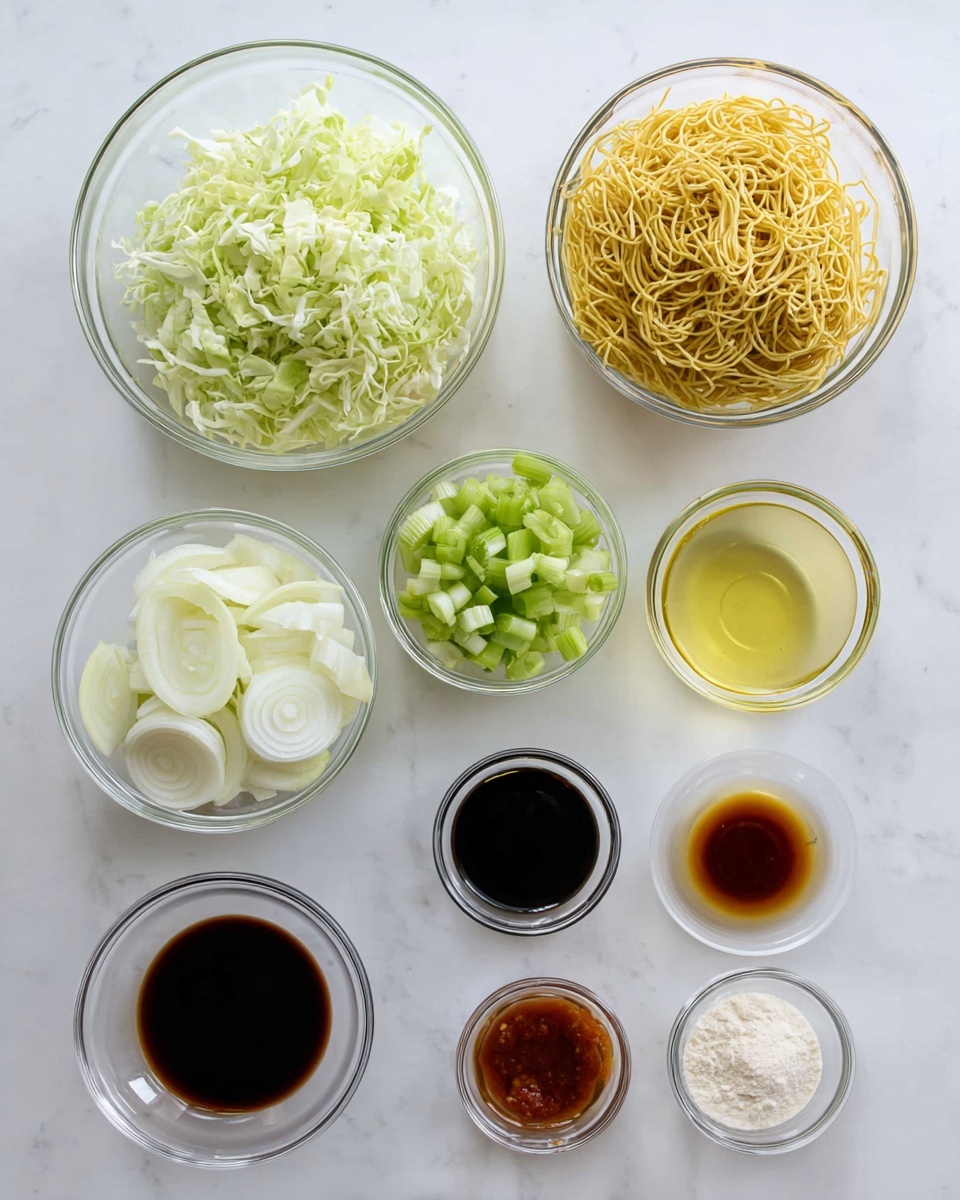
Getting the ingredients right is the first step toward nailing this dish, and thankfully, the list is refreshingly simple. Each element plays a crucial role—fresh chow mein noodles bring the perfect chew, while crisp cabbage, celery, and onion add vibrant crunch and sweetness that contrast beautifully with the rich, aromatic sauce.
- 1 lb chow mein noodles (fresh kind): These noodles soak up the sauce perfectly and provide that signature soft but firm texture.
- 2 cups cabbage (thinly sliced): Adds crispness and a subtle sweetness to balance the savory elements.
- 1 cup celery (sliced): Brings a refreshing crunch and slight earthiness.
- 1 small onion (sliced): Provides essential aromatic depth and caramelized notes when cooked.
- 2 tablespoons vegetable oil (or any neutral oil): Needed for stir-frying without overpowering the other flavors.
- 2 tablespoons regular soy sauce: Forms the salty, umami base of the noodle sauce.
- ½ tablespoon dark soy sauce: Adds color and a richer, deeper soy flavor.
- 2 tablespoons oyster sauce (or vegetarian stir fry sauce): Gives a slightly sweet, savory complexity to the sauce.
- 1 tablespoon sesame oil: Imparts a warm, nutty aroma that’s essential in Asian cooking.
- 2 garlic cloves (minced): Offers a fragrant punch that lingers deliciously.
- ¼ cup chicken stock (low-sodium) or cold water: Helps create a smooth sauce with body.
- ½ tablespoon cornstarch (or potato starch): Thickens the sauce so it clings perfectly to every noodle strand.
How to Make Panda Express Chow Mein Recipe
Step 1: Prepare the Noodle Sauce
Begin by combining all the sauce ingredients in a small bowl. Mixing the regular and dark soy sauce, oyster sauce, sesame oil, minced garlic, chicken stock (or water), and cornstarch creates a flavorful blend that will elevate the noodles with every bite. Set this aside so the flavors have time to meld while you tackle the other steps.
Step 2: Blanch the Chow Mein Noodles
Bring a large pan filled halfway with water to a steady boil over medium-high heat. Add the fresh chow mein noodles and blanch them for just 20 to 30 seconds—this loosens the noodles without making them soggy. Once ready, drain them in a colander but do not rinse off the water; this step helps the noodles hold onto the sauce later.
Step 3: Cook the Vegetables
Heat 1 tablespoon of vegetable oil in a large pan over medium-high heat. Add the sliced onions, cabbage, and celery, frying them just long enough to soften—about one minute. This quick cooking preserves their crispness while unlocking their natural sweetness. Push the veggies to one side of the pan to make room for the next step.
Step 4: Stir-Fry Noodles with Sauce
Add the remaining tablespoon of oil into the empty space in the pan, then carefully add the blanched noodles along with the prepared sauce. Toss everything together thoroughly, ensuring each noodle strand is evenly coated with that glossy, flavorful sauce. Once everything is combined and heated through, it’s time to take the pan off the heat and get ready to serve.
How to Serve Panda Express Chow Mein Recipe
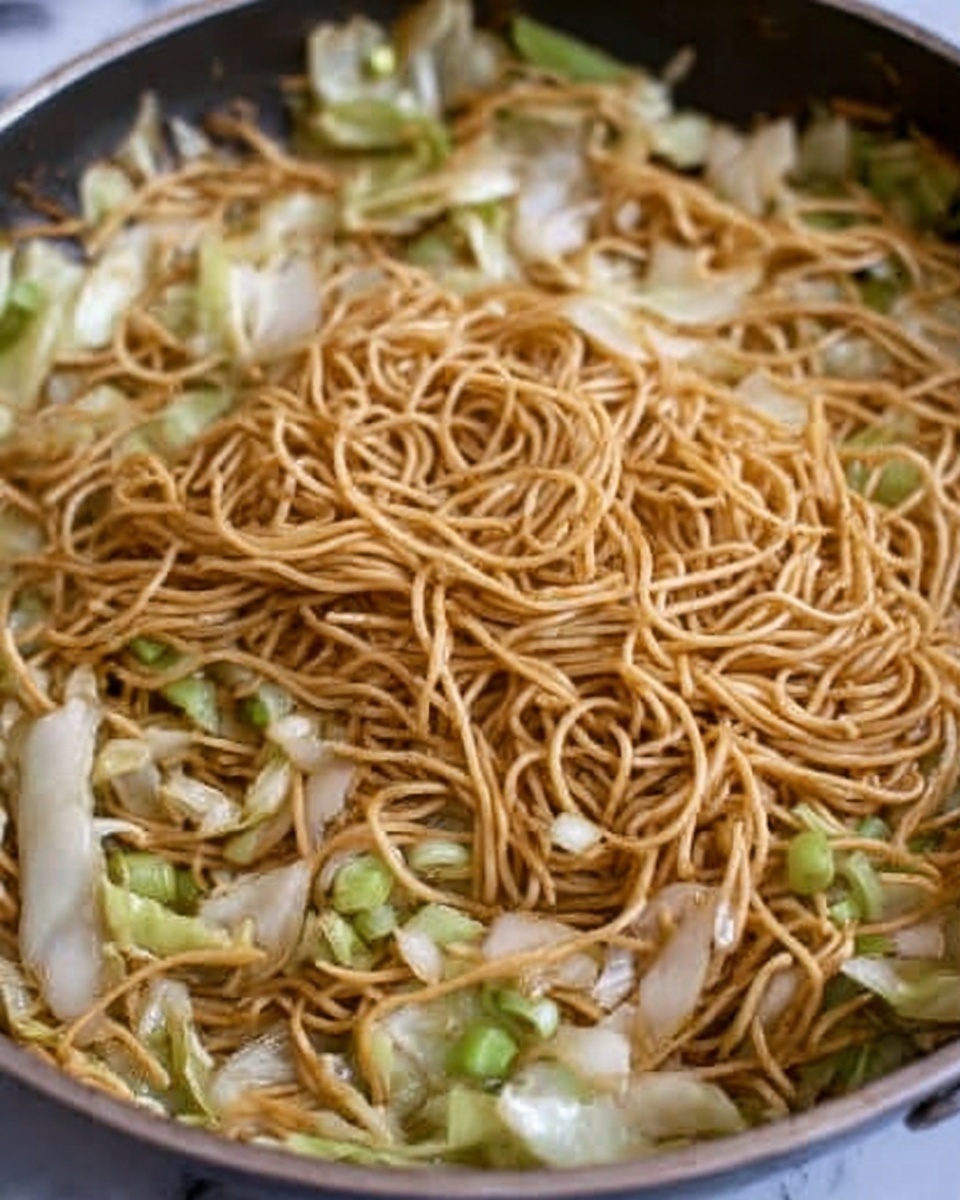
Garnishes
To add a fresh and colorful finish, sprinkle chopped green onions or toasted sesame seeds on top. These garnishes not only enhance the visual appeal but also add a subtle crunch and a burst of flavor that perfectly complements the noodles.
Side Dishes
This Panda Express Chow Mein Recipe pairs beautifully with a variety of sides like steamed dumplings, crispy spring rolls, or bite-sized chicken skewers. The bright vegetables and comforting noodles provide a balanced base for a well-rounded meal.
Creative Ways to Present
If you want to impress your guests or elevate a family dinner, serve the chow mein in individual bowls lined with fresh lettuce leaves. Another fun idea is to sprinkle some crushed peanuts or chili flakes for an extra kick of flavor and texture, adding a personalized touch to this classic dish.
Make Ahead and Storage
Storing Leftovers
Once cooled, transfer your leftovers into an airtight container and store in the refrigerator for up to 3 days. The noodles may absorb some of the sauce, so give them a quick stir or a splash of water before reheating to revive their texture.
Freezing
While freezing can be done, chow mein noodles tend to lose some of their texture after thawing. If you choose to freeze, place the noodles in a freezer-safe bag without the sauce, and freeze for up to 1 month. Thaw in the refrigerator overnight before reheating gently with freshly made sauce.
Reheating
The best way to reheat Panda Express Chow Mein Recipe is in a hot skillet over medium heat. Add a splash of water or broth to prevent sticking and warm until heated through, tossing frequently to keep the noodles soft and coated in sauce.
FAQs
Can I use dried noodles instead of fresh chow mein noodles?
Absolutely! If fresh noodles aren’t available, use dried chow mein or thin egg noodles, but boil them according to package instructions until al dente before stir-frying. Just be mindful to avoid overcooking to keep that perfect chew.
Is there a vegetarian way to make this Panda Express Chow Mein Recipe?
Yes! Substitute the oyster sauce with a vegetarian stir-fry sauce or mushroom sauce, and use vegetable stock instead of chicken stock to keep this dish entirely plant-based without sacrificing flavor.
What makes dark soy sauce different, and why is it used here?
Dark soy sauce is thicker and less salty than regular soy sauce with a richer color. It’s used to give the noodles a beautiful, appetizing golden-brown hue along with a hint of caramelized sweetness that enhances the overall taste.
Can I add protein to this recipe?
Definitely! Chicken, beef, shrimp, or tofu can easily be added to this recipe. Just cook the protein separately or at the start before adding the vegetables, and adjust the sauce quantity slightly if needed to coat all ingredients well.
How do I avoid soggy noodles when making chow mein?
The key is quick blanching and not overcooking the noodles. Also, don’t rinse the noodles after boiling since the starch on their surface helps the sauce stick. Stir-fry on high heat to keep noodles separated and achieve that perfect slightly crispy texture.
Final Thoughts
Making this Panda Express Chow Mein Recipe at home is such a rewarding experience — it’s quick, flavorful, and truly satisfying. Every bite brings you closer to the magic of takeout but with the joy of homemade goodness. Don’t hesitate to give it a try and make it your new weeknight favorite; once you do, it’s hard to imagine ordering chow mein any other way!
Print
Panda Express Chow Mein Recipe
- Prep Time: 10 minutes
- Cook Time: 10 minutes
- Total Time: 20 minutes
- Yield: 4 servings
- Category: Main Dish
- Method: Stovetop
- Cuisine: Chinese-American
Description
This Panda Express Chow Mein recipe recreates the delicious, savory stir-fried noodles dish served at the popular Chinese-American restaurant. Featuring fresh chow mein noodles tossed with crisp cabbage, celery, and onions in a flavorful blend of soy, oyster, and sesame sauces, this dish is perfectly saucy, slightly crunchy, and ready in under 30 minutes for a quick and satisfying meal.
Ingredients
Noodles and Veggies
- 1 lb fresh chow mein noodles
- 2 cups cabbage, thinly sliced
- 1 cup celery, sliced
- 1 small onion, sliced
- 2 tablespoons vegetable oil (or any neutral oil)
Noodle Sauce
- 2 tablespoons regular soy sauce
- ½ tablespoon dark soy sauce
- 2 tablespoons oyster sauce (or vegetarian stir fry sauce)
- 1 tablespoon sesame oil
- 2 garlic cloves, minced
- ¼ cup low-sodium chicken stock (or cold water)
- ½ tablespoon cornstarch (or potato starch)
Instructions
- Prepare the Noodle Sauce: In a small bowl, combine the regular soy sauce, dark soy sauce, oyster sauce, sesame oil, minced garlic, chicken stock, and cornstarch. Stir well to form the sauce and set aside.
- Blanch the Noodles: Bring a large pan filled halfway with water to a boil over medium-high heat. Add the fresh chow mein noodles and blanch for 20-30 seconds until loosened but not fully cooked. Then drain the noodles in a colander without rinsing to preserve starch for better sauce adherence. Set aside.
- Sauté the Vegetables: Heat 1 tablespoon of vegetable oil in a large pan or wok over medium-high heat. Add the sliced onions, cabbage, and celery, frying them until they are softened, approximately 1 minute.
- Add Noodles and Sauce: Push the sautéed vegetables to one side of the pan. Pour the remaining 1 tablespoon of vegetable oil into the empty space, then add the blanched noodles along with the prepared noodle sauce.
- Toss and Combine: Toss all ingredients together thoroughly so that the noodles are evenly coated with the sauce and combined with the vegetables. Cook for another 1-2 minutes to let flavors meld.
- Serve: Remove from heat and serve immediately while warm. Enjoy your homemade Panda Express style Chow Mein!
Notes
- Do not rinse the noodles after blanching to maintain proper starchiness for sauce adherence.
- Use fresh chow mein noodles for best texture; dried noodles will require different preparation.
- Vegetarian option: substitute oyster sauce with vegetarian stir-fry sauce or mushroom sauce.
- Adjust vegetable oil quantity based on preference for oiliness.
- For extra protein, consider adding cooked chicken, shrimp, or tofu to the stir-fry.
- Low-sodium chicken stock helps control saltiness; cold water can be used as a substitute.


